
A few days ago we talked about what we consider to be difficult conversations on my insta page (@corporate.millennial) and I figured I could share a bit on Difficult Conversations.
I will just cut to the chase- the common convos we said were difficult to have were centred around the following:
- Salary negotiations (increment!)
- Giving negative feedback without fear of being victimised
- addressing unfair treatment
- managing people
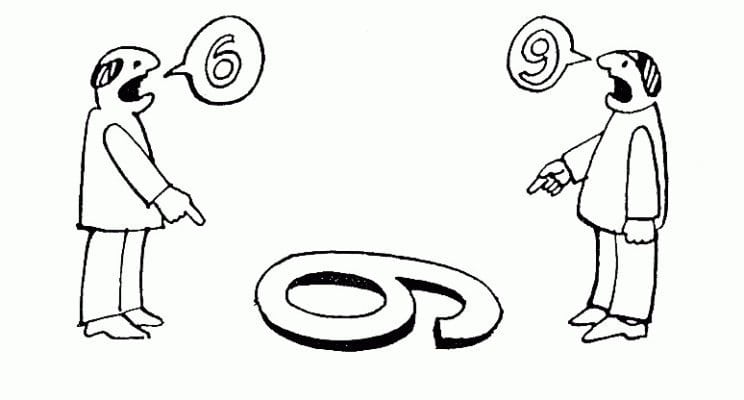
So, most difficulty really stems from perspective. How I see something may not necessarily be how the person I’m supposed to talk to sees it. Already, my mind is uneasy about the conversation. (DEFENCE mode!) Your mind starts building all these images of why this conversation shouldn’t happen.
Truth is, the conversations must happen! The longer we avoid them, the more frustrated or uncomfortable you will be in the environment you work in.
soooo… a few tips on how to navigate difficult conversations.
Timing
IMPORTANT! Just because something happened right now doesn’t mean it must be talked about right now.
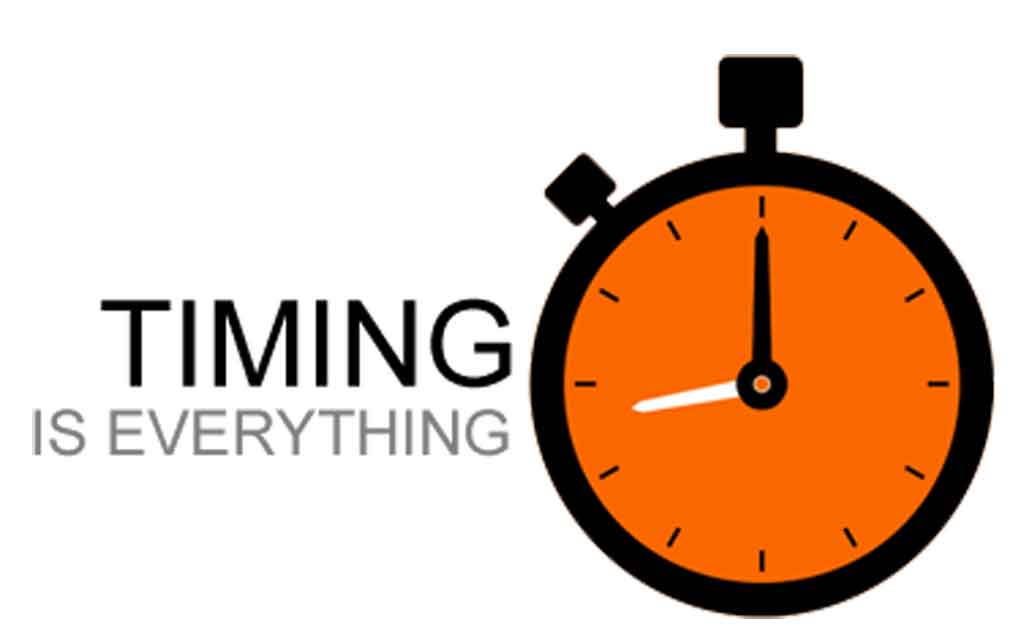
I have learnt that when you’re in the heat of the moment, sometimes what could have been a meaningful and growing conversation may turn into something it shouldn’t have.
Take time, if it is a “hostile” situation, to allow everyone (including yourself) to relax. Understand what you are addressing, how you think it can be resolved or addressed. But remember, it is not always your call. Go in with anticipation of gaining understanding from the other persons side of things- an understanding of why they do what they do or why things are the way they are.
Request a meeting and state the purpose of the meeting.
Tone
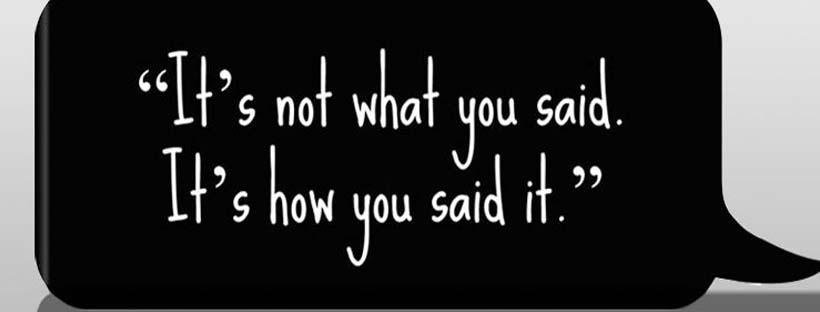
I know this one sometimes gets us into trouble! When a response or an explanation is being given to us, our eyes roll unexpectedly, we utter some words under our breath cause wow! the employer can try you!..hahaha.
But seriously, if you are addressing your direct report your tone says a lot! If they are older than you, find that Respectful tone and use it. Find a tone that says, I might be younger but this is what needs to happen. Are you game or nah?.. you get me? (This one needs us to have a meet up and practice). Similarly, if they are younger than you, find that, we may go to the same clubs but i’m your manager, but i’m approachable and will hold you accountable for your work tone.
Talk about the elephants in the room- acknowledge that you are young but assert yourself in a way that enables your colleagues to respect you.
Being rude won’t get you anywhere.
Mode of communication
For every issue different modes will be suitable. Also, your work environment may dictate the mode to use.
Telephone
some issues need a quick call. You iron them out and the message goes across. This is suitable for giving out quick instructions, or changing assignments you have given people, or asking for clarity when you’re given the assignment.
Sometimes it’s just hard to start a conversation for a number of reasons. When you need to make any issue official – drop an email.
Unhappy about something? Do send them an email detailing your concern or issue and let the recipient know you are open to discussing it further. This creates an opportunity for them to initiate the conversation. Also, if they don’t, there is a formal record of the issue and you can follow up with them with another email. They cannot ignore it forever right? If they do, use your company policies to take the matter to an alternative person that can help with having the conversation or address the conversation.
Face-to-face

After the phone call or email, the face-to-face interaction will have to happen.
Here, pay attention to your tone again and your body language. Also pay attention to your colleagues body language. This will help you decide whether to keep talking, stop the conversation or just listen. It will also help iron out any tension that may have been created by any incidents that the conversation is meant to address.
Difficult Conversations will always be there. But we cannot avoid them. By pushing through, this helps you stand out. This also helps you understand what your colleagues are thinking, bring issues into perspective. You are now better equipped to manoeuvre each day.


Thanks for sharing. Keep ’em coming!
LikeLiked by 1 person